
 Bae Young-heum
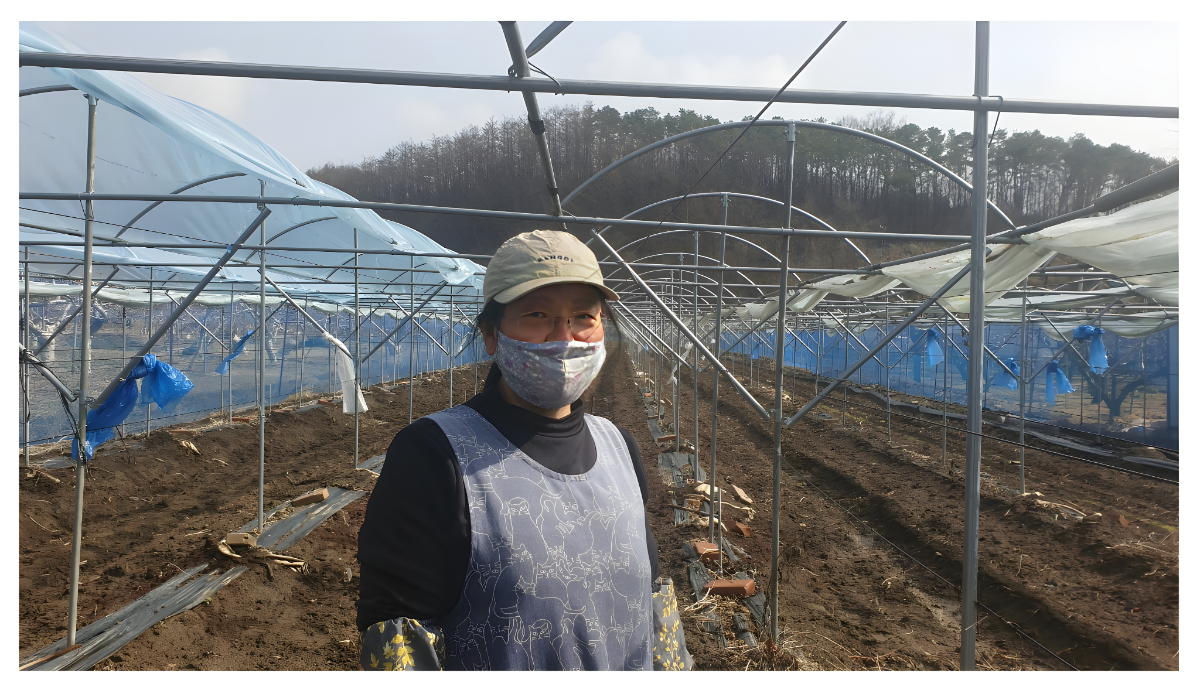

Making the Immortal Sustainable
A taste of immortality
Peaches in Korea occupy a special place in popular imagination, history, and mythology. The Samguk Sagi, the 1145 history of the Three Kingdoms period (57BCE-668CE), records that peaches were first introduced to Korea during this time. Since then, the fruit has come to represent longevity, riches, honour, and happiness itself with its trees considered one of 10 immortal plants and animals. In modern South Korea, peaches are eaten as table fruits and also used to make jam, jelly, and juice, while the country exports over 200,000 tons per year.
Despite this long history and the strong state of South Korea’s modern peach sector, there’s always space for innovation andthe Manseom Farming Association based in the central South Korean state of Chungcheongbuk-do, is working to innovate new approaches.
History and innovation
Launched in 2017 by five peach farmers and led by Bae Youngheum, Manseom are researching, developing, and implementing new ways to grow better quality peaches with a particular focus on sustainability. They’re taking a holistic approach, examining the way trees are grown and bred – including through grafting, how the soil is managed, and its heath improved, and the way agricultural inputs are used.
Yet, even as they innovate, they’re facing challenges both perennial and emerging. These include the impacts of a changing climate, such as alternating abnormally heavy rainfalls leading to rotting fruit and drought withering the trees, alongside pests and diseases. To support their innovation and to meet these challenges, Manseom have been working closely with UPL for the past three years.
Trusted inputs
We’ve been glad to provide Manseom with a range of agricultural inputs, and thank the five farmers for their trust in us. Manseom’s package includes plant growth stimulators alongside pest protection. Atonik is one stimulant, encouraging seed germination, rooting, and fruit and flower setting while also helping to protect against environmental damage, another is Amino Calbung which also promotes plant growth and improves fruit quality. And while these UPL inputs encourage peach tree growth, Tarang, a glufosinate herbicide, protects the peach orchards from weeds, without damaging the wider environment.
A peachy future
After only five years, Manseom is already producing around eight tonnes of peaches per year. Chungcheongbuk-do is currently best known for its ginseng, rice, and barely, but with Manseom on an upward trajectory we look forward to peaches soonbeing recognised as one of its top exports.
Related Stories
